
 By
By “Where art thou, Romeo?” Juliet’s cry from her balcony is more than just a yearning for a lover. It is a haunting echo of longing, of absence, of a soul reaching into the void for something – or someone greater than itself. In today’s world, that cry could just as easily be: “Where art thou, God?”
We live in a time of unprecedented technological advancement and social connectedness, and yet spiritually, we seem increasingly adrift. The secular tide has risen, and belief – in anything beyond the tangible – has receded from many public and private lives. Church attendance in the UK has fallen to record lows. In the US, for the first time in its history, less than half the population reports belonging to a house of worship. But the human impulse to seek meaning, transcendence, and connection hasn’t died. It’s simply been displaced, and perhaps distorted.
Instead of sacred texts, we scroll infinite feeds. Instead of prayer, we chant mantras of productivity, self-optimisation, and personal brand-building. Influencers become saints, algorithms our prophets, and success the new salvation. In this temple of capital and consumption, the divine is often drowned out by the ping of notifications.
Yet, amid the cacophony, the longing persists.
The war in Gaza, the suffering in Sudan, and the global climate crisis confront us daily with the scale of human fragility and injustice. In the face of such brokenness, many find themselves whispering old questions with new urgency: Where is God in all this? Why do the innocent suffer? What does it mean to be good – or to be human – in an age when power is so often unaccountable and truth negotiable?
And in quieter moments – after funerals, during illness, in the silence that follows heartbreak – we look up and ask, as Juliet did: Where art thou? We seek something – someone – beyond the empirical, the measurable, the profitable.
Spirituality today is not dead. It is migrating. It is surfacing in unexpected places. In mindfulness retreats and yoga classes, yes, but also in community gardens, protest movements, and even the rave-like ecstasy of Taylor Swift concerts. People are hungry for awe, for experiences that remind them they are part of something bigger than themselves.
The resurgence of interest in indigenous wisdom, mysticism, and even psychedelic therapy shows that the appetite for transcendence is alive and well. The tools and languages may have changed, but the yearning – for meaning, for love, for justice, for God – remains as eternal as Juliet’s call.
But there is also danger in this spiritual diaspora. Without a shared moral compass, without rituals that bind us, society risks becoming not just secular, but spiritually numb. A numb society cannot mourn properly, cannot celebrate fully, cannot hope radically. It cannot resist tyranny with the depth of moral conviction that spiritual traditions often empower.
This is not a call to return wholesale to the rigid dogmas or exclusionary doctrines of the past. Many have rightly turned away from institutions that have caused harm, excluded the marginalised, or denied science and progress. But throwing away the sacred entirely leaves a vacuum. And nature, as they say, abhors a vacuum.
We must find new ways to ask old questions. We need public spaces for spiritual exploration that are inclusive, honest, and courageous. We need to teach children not only how to code and calculate, but how to wonder, how to grieve, and how to sit with silence. We need leaders who speak not only of GDP and growth, but of virtue, meaning, and the soul of a nation.
Perhaps God, or the divine, the sacred, however one names it, is not lost, only quiet. Perhaps the real question is not “Where art thou?” but: Are we listening?
In a world of noise, it takes courage to be still.
In a time of surfaces, it takes faith to go deep.
In an age of certainty, it takes wisdom to live with mystery.
So let us listen again for the whisper beneath the chaos, the silence within the storm. The search for God is the search for ourselves – not as consumers or avatars, but as human beings: fragile, beautiful, flawed, and yearning still.
O God, where art thou?
Perhaps, closer than we dare imagine.
Perhaps, waiting for us to ask.
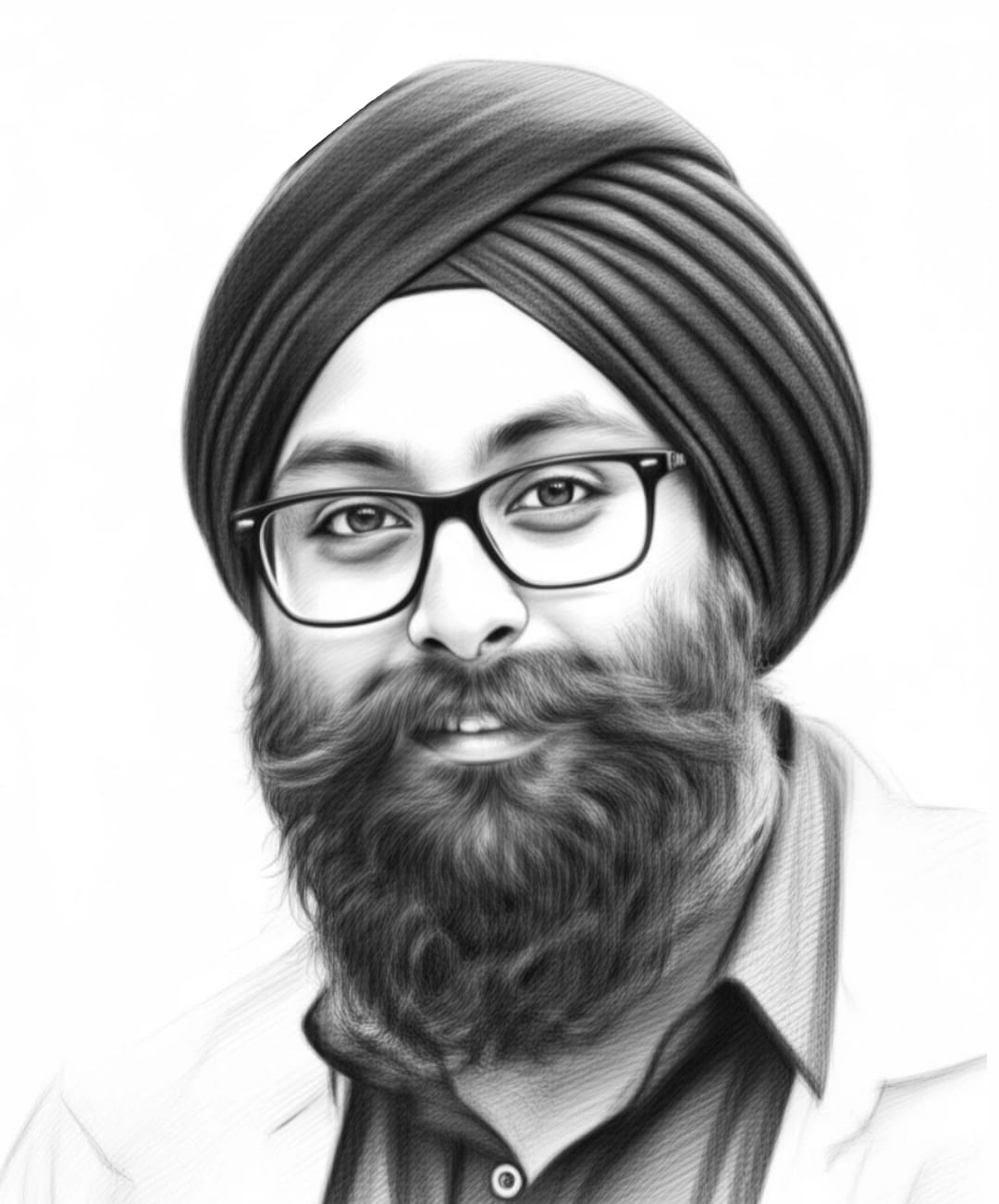
— Kirat Raj Singh
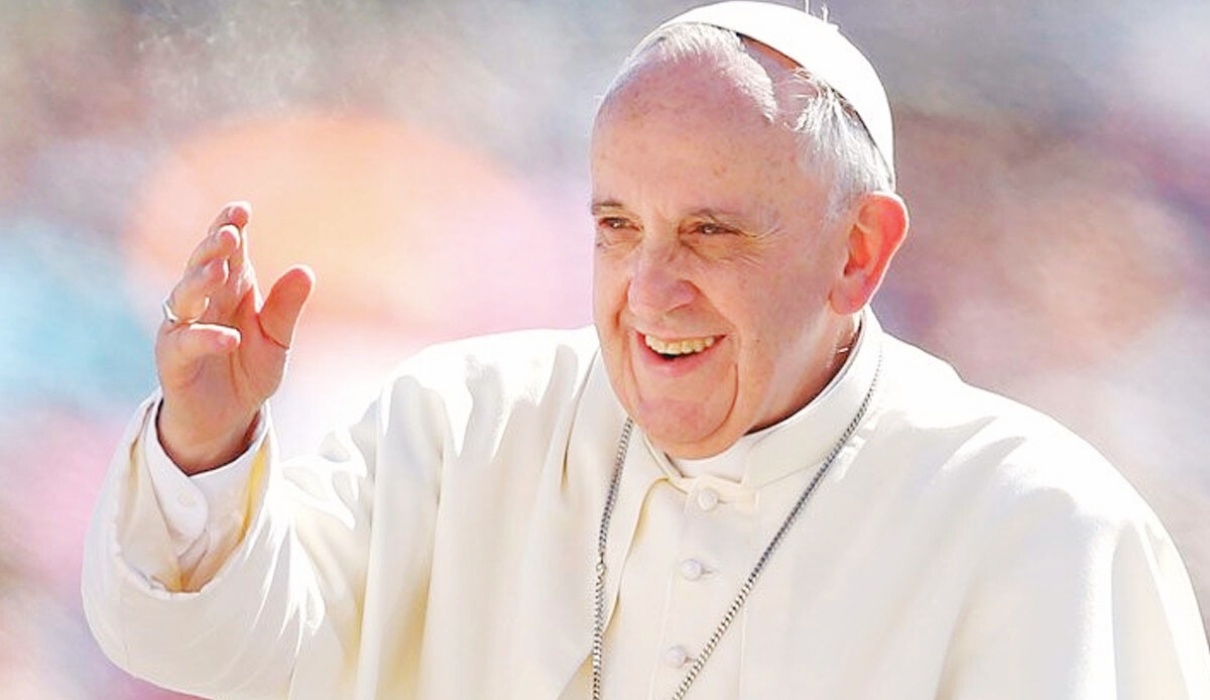
(This article was initially written in the aftermath of His Holiness Pope Francis’ death.)