

 By
By The story of British Asians in public life is one of resilience, contribution, and progress. From the earliest days of migration, Asian communities have played a vital role in shaping modern Britain. Today, as the country faces new challenges, the task before us is to ensure that the next generation of young British Asians are supported and encouraged to step forward into leadership across politics, civic life, and public service.
Across the UK, young British Asians are already making their mark. They are leading campaigns on climate change, affordable housing, and equality in education and employment. Many are also active within faith communities, where the ethic of service and solidarity is deeply embedded. Whether volunteering in a gurdwara kitchen, helping to run a food bank through a mosque, supporting outreach from a mandir, or engaging in interfaith initiatives through churches and community centres, these young people are demonstrating the skills and values that are the foundation of leadership in public life.
Yet barriers to engagement remain. Too many young people perceive politics as remote or inaccessible, a space dominated by privilege and insider networks. Racism and Islamophobia persist as realities that can discourage participation, while young women in particular often face intersecting challenges of gender and cultural expectations. Without deliberate action, these barriers risk stifling the full potential of a generation ready to contribute.
Dismantling these obstacles requires a collective effort. Mentorship and training opportunities are needed to connect experienced community leaders, councillors, and parliamentarians with young activists. Clear and transparent pathways into local government, civic roles, and national politics should be accessible to those from all backgrounds, not only to those with existing resources or connections. Representation must go beyond symbolic inclusion to meaningful influence and decision-making power.
Faith communities have a vital role to play in this process. For decades, they have mobilised social action, fostered a sense of civic duty, and nurtured young people’s leadership. By working in partnership with these communities, wider society can inspire young British Asians to view political engagement as an extension of the values they already practise: compassion, justice, and equality.
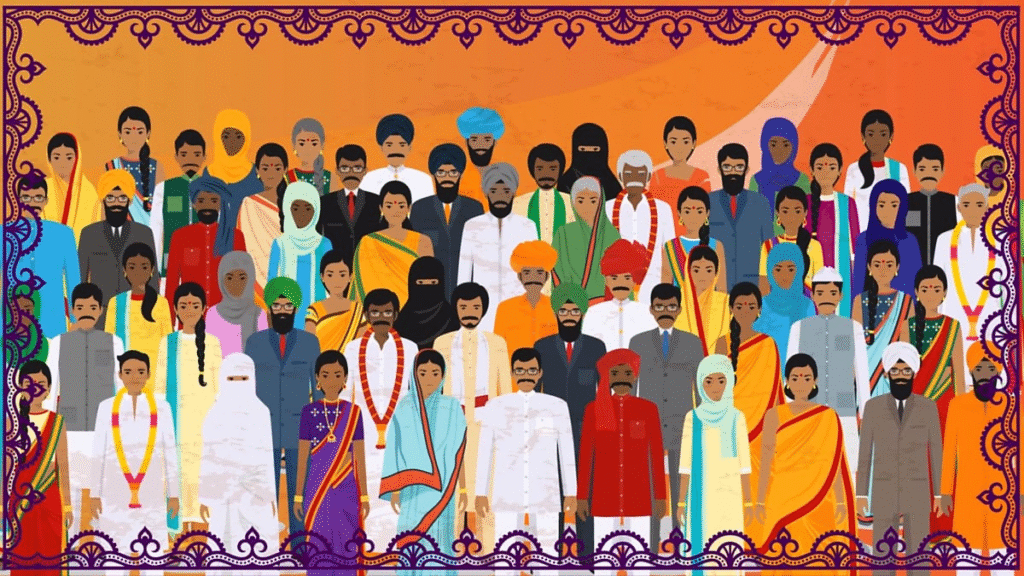
At the same time, it is important to confront difficult truths. Tackling prejudice wherever it arises, both within society and within political institutions, is essential. Building trust requires more than celebration of diversity; it requires ensuring that British Asians are present in decision-making spaces and shaping policy at every level.
The next generation of leadership will not emerge by chance. It will come through conscious investment, inclusive structures, and a commitment to nurturing talent wherever it is found. Britain’s future leaders are already in our communities, our faith spaces, and our universities. The responsibility now is to ensure they are encouraged, supported, and empowered to lead. They represent not just the future of politics, but the future of Britain itself.
Written by Kirat Raj Singh, 10 September 2025