Britain’s new pledge to recognise Palestine as a state by September – unless Israel meets sweeping conditions for peace – marks a dramatic shift in UK foreign policy.
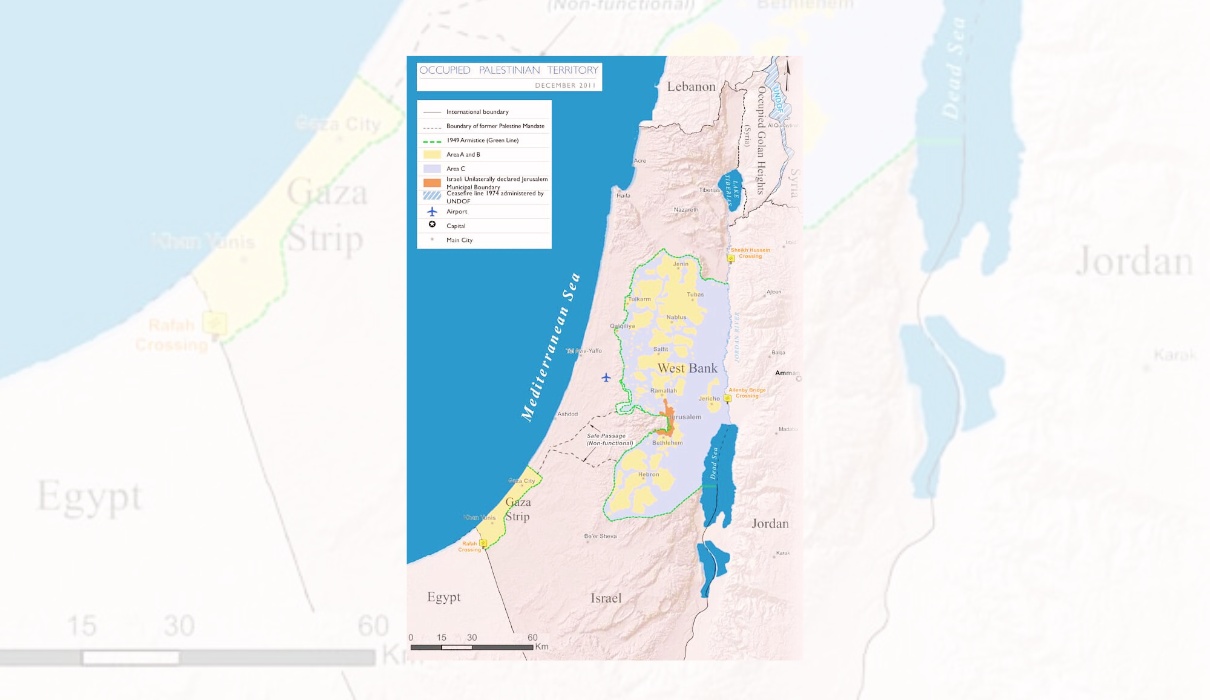
In an emergency Cabinet meeting July 29, Prime Minister Keir Starmer announced that, at the next UN General Assembly, Britain will acknowledge an independent Palestinian state unless Israel agrees to a Gaza ceasefire, halts plans to annex West Bank land and commits to restarting a two-state peace process.
Starmer invoked the “images that will stay with us for a lifetime” – starving Gazan children amid a catastrophic aid failure – to justify the timetable. This deadline-based approach – unheard of in previous UK governments – was framed as a lever to end what Starmer called an “appalling situation in Gaza,” and to show that “now is the moment to act” on long-stalled peace prospects.
Britain’s decision has profound diplomatic and political implications. Recognition is largely symbolic, yet it carries real-world effects. Formally acknowledging Palestinian statehood would allow full diplomatic relations (Palestine would get an ambassador in London, the UK one in Ramallah) and signal that the Palestinians’ right to self-determination is vindicated. Critics in Israel immediately denounced it as a “reward for Hamas,” warning it risks rewarding terrorism and undermining ceasefire talks.
Advocates counter that mere recognition cannot create borders or security by itself – but it reasserts the principle of a two-state solution, keeping alive a framework supported by most countries worldwide.
In fact, roughly 140 of the UN’s 193 member states already recognise Palestine as a country; until now, no major Western power had done so. Starmer’s move follows closely on France’s commitment to recognise Palestine in September, meaning Britain and France could together become the first Group-of-Seven nations to take this step (Britain had long deferred recognition pending a negotiated peace).
Looking at the wider geopolitical picture, the British announcement sets off a cascade of consequences – some promising, others precarious:
Boost to peace prospects: By aligning with France and other European states (Norway, Ireland, Spain, etc.) that have recently recognised Palestine, Britain adds momentum to international pressure for a two-state solution. The UK government argues that acknowledgement of statehood can “kickstart” stalled negotiations and strengthen moderate Palestinian voices.
As Guardian analysts note, recognition is a formal acknowledgment of Palestinian self-determination that need not predetermine exact borders or Jerusalem’s status. In practice it means Britain officially backs the creation of an independent state alongside Israel – the very outcome that many experts say is the only viable path to lasting peace for both peoples. In the Guardian’s words, it is a way of “raising the stakes” on negotiations to secure a two-state future.
Leveraging international opinion: Recognition strengthens Palestine’s global standing and puts Western allies on notice that serious change is needed. Al Jazeera reports that 147 countries (75% of UN members) now recognise Palestine as a state. Each new recognition nudges the narrative: the Palestinians gain diplomatic heft to hold Israel accountable for occupation policies, and Western powers face more pressure to act.
The UK joining France (and perhaps Germany and others) creates a new bloc of European nations “pushing the envelope” on peace. It could even bolster Arab diplomacy: analysts note that this move would give Saudi Arabia and other Gulf states more leverage in their talks with Washington about the peace process. In particular, UK recognition – and coordinated European recognition – affirms what many Arab leaders have long argued: Palestinian statehood is indispensable to any Gaza ceasefire and regional stability.
Security calculus for Israel: For Israel, the shift is risky. Senior Israelis warned that broad recognition isolates Israel diplomatically and could complicate its security situation. The Chatham House analysis emphasizes that recognition signals to Israelis that even their closest allies find the continued war and occupation unacceptable. The message is blunt: without two states, there is “conflict without end” that eventually jeopardizes Israel’s security and international support. In other words, the UK is effectively telling Israel that going on without a Palestinian state risks making Israel a pariah.
On the positive side for Israel, if recognition were tied to a real two-state settlement (with Gaza demilitarised and the West Bank mutually agreed), it could someday anchor Israel’s long-term security by turning Palestinians into partners in peace rather than perpetual adversaries. Practically, however, Israel’s current government flatly rejects any imposed timetable, and is focused on military victory over Hamas.
If Britain pushes on alone, it may only harden Israeli defiance – Israel’s foreign ministry has already said London’s move will “harm efforts” for a ceasefire. The short-term effect could be more vetoes in talks and a chill in UK – Israel relations (London may face pushback on security cooperation).
Empowering Palestinians – cautiously: For Palestinians the recognition is an emotional and political victory. Palestinian officials say UK backing carries “historical and moral weight,” given Britain’s century-old role in Palestine (the Balfour Declaration of 1917). It gives them a firmer claim in negotiations and the global arena. The UK conditions – demanding Hamas disarm and accept a ceasefire are aimed at empowering moderate Palestinian leadership (the UN-backed Palestinian Authority) and marginalising Hamas.
Chatham House analysts argue that Hamas itself does not want a viable two-state outcome, so recognition would not reward Hamas as some fear; it could instead strengthen moderates by showing Palestinians there is a peaceful route to statehood. In theory, Britain’s move could accelerate Palestinian unity talks on governance: the UK has even said it is working on a broader “credible peace plan” involving transitional governance in Gaza, the withdrawal of Israeli forces and eventual elections.
If implemented in tandem with recognition, that plan could help build a sustainable Palestinian state. In practice, however, statehood alone does not create infrastructure or reduce militancy. Much will depend on follow-through: can Britain marshal reconstruction aid, help bolster Palestinian institutions, and encourage Arab states to invest in Palestine’s economy? The risk is that after the initial fanfare, Palestinians may find that recognition without real change (continued closures, settlement expansion and political deadlock) does little for daily life.
Domestic and allied concerns: The announcement also has domestic politics implications. Many of Starmer’s own MPs and the British public (nearly half in a recent poll) support swift recognition, hoping it might spur an end to Gaza’s humanitarian crisis. On the other hand, some caution that recognition could distract from immediate needs – namely, pushing for a ceasefire and aid flow.
The Chatham House analysis warns that turning attention to statehood now might take the spotlight off relief efforts: “One small hazard…is that this symbolic step might distract attention from the immediate task of persuading Israel to end its assault in Gaza”.
In broader alliances, reactions vary: France and Germany have applauded the logic, while the U.S. administration is likely to urge restraint (President Biden historically insisted statehood must be negotiated). In sum, London risks some Western frictions even as it joins a wave of global recognitions.
Geostrategically, the decision could reconfigure regional dynamics. Gulf Arab states may be heartened, seeing Britain on their side of the fence on Palestine – especially important given Saudi Arabia’s growing role as a peace broker. Chatham House points out that Saudi Arabia, with strong U.S. ties under the current administration, could use UK backing to push even harder on Washington and Jerusalem to move toward statehood.
Conversely, Israel may double down on normalising ties with other Arab nations without a deal for Palestinians – the so-called “outside-in” approach to peace – potentially undermining the two-state vision. Within Palestine, some hardliners might cynically dismiss the recognition if it fails to change reality on the ground.
The bottom line is that Britain’s recognition of Palestine is a double-edged sword. On the positive side, it refocuses global attention on the two-state solution and gives Palestinians diplomatic legitimacy, which historically have been key ingredients for peace. It also reminds Israel that its actions have international consequences – a message Israel’s leaders have so far been unwilling to heed.
However, it does not magically create a Palestinian state on the ground, nor guarantee Israel’s acceptance of one. Critics fear it could harden Israel’s military stance and raise hopes among Palestinians without delivering immediate change.
Ultimately, the future impact depends on how Britain follows through. The UK can enhance a two-state outcome by pairing recognition with active diplomacy and aid. For example, Downing Street has mentioned working on reconstruction plans and transitional security arrangements alongside the recognition pledge.
In the long run, a sustainable Palestinian state will require far more: stable governance, an economy that can absorb refugees, guarantees for Israelis’ security, and a clear role for international peacekeepers or monitors. The UK, with its historic ties to the region, is uniquely positioned to champion these next steps.
Britain’s new stance carries the weight of history. As Palestinian diplomats remind us, the UK played a decisive role in creating Israel – and now it must help shape its future. Recognising Palestine could either lend new momentum to ending this century old conflict or, if mishandled, further entrench divisions.
What the UK must do now is not simply issue proclamations, but commit resources and diplomacy to turn words into peace. The coming months will reveal whether London’s gambit can help transform bitter enmity into a workable peace; securing a homeland for Palestinians and normalising security for Israelis, or whether it will become one more lost opportunity in a long cycle of strife.
Only time and sustained effort will tell if this bold move was a milestone toward justice and stability, or a high-stakes bet with the fates of two peoples.
Authored by Kirat Raj Singh.
 By
By