
 By
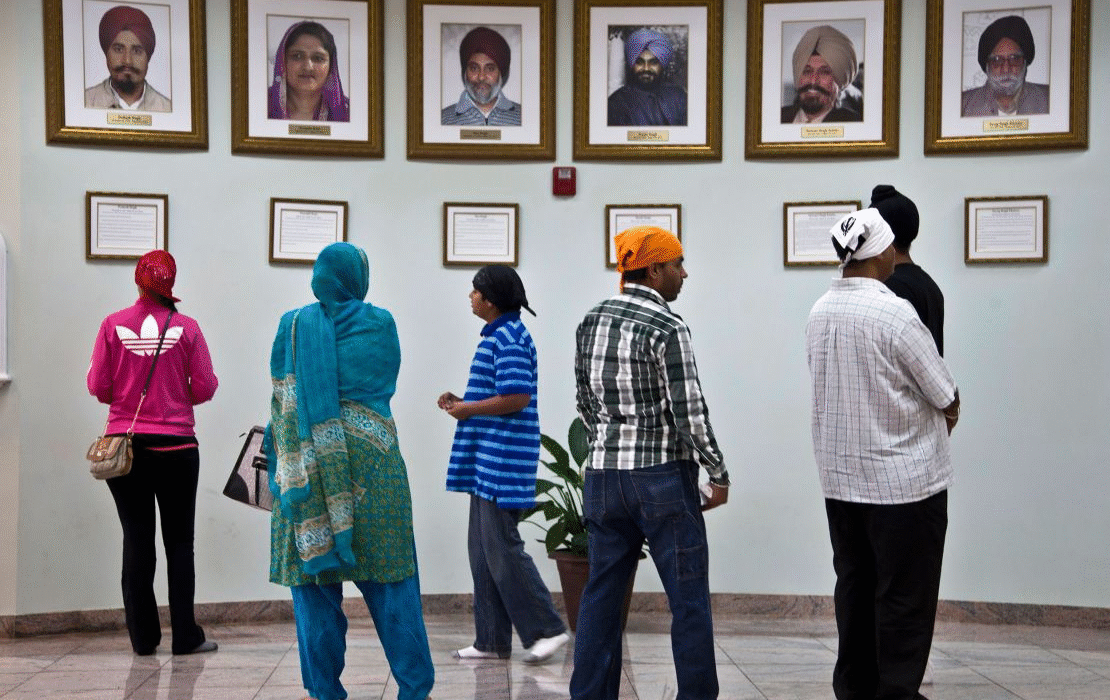
By Thirteen years ago this week, a white supremacist walked into the Sikh Temple of Wisconsin in Oak Creek and opened fire during Sunday services. Six worshippers were killed, four others were injured, and countless lives were changed forever. The gunman, Wade Michael Page, carried with him a hatred so blind and violent that it turned a house of peace into a crime scene.
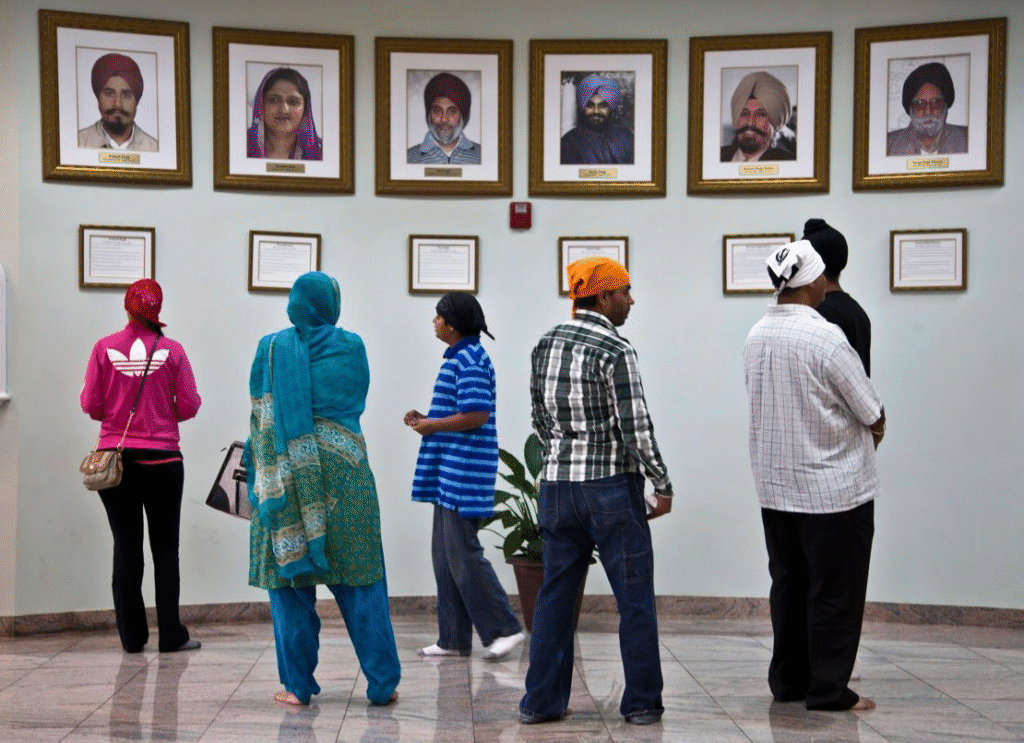
Among the victims was Paramjit Kaur, whose son Harpreet Singh Saini later described the killer as “a man fueled by hatred who walked into our local gurdwara.” In his grief, Harpreet testified before the U.S. Senate, urging lawmakers to take hate crimes seriously and protect all Americans. He was just 18.
It is sobering to think what might have happened had Page walked into the gurdwara not with a weapon, but with curiosity. He would have been greeted with warmth, offered a fresh Indian meal from the langar (community kitchen), and welcomed with tea or milk – no questions asked. He could have sat in the Darbar Hall, listened to hymns of equality and compassion, and read English translations of Sikh scriptures projected on the wall. He might have realised that this was a place of peace and service, not a target for his rage.
But his rampage began too early, and ended too tragically for that.
Sikhs have lived in the United States for over 125 years, yet to this day, many Americans still don’t know who we are or what we believe. In the days after the massacre, even local law enforcement admitted they had little understanding of Sikhism until the tragedy forced a long-overdue conversation. It shouldn’t have taken bloodshed for our neighbours to see us.
In the months following the shooting, the Sikh community responded not with vengeance or despair, but with courage, unity, and compassion. A campaign titled “We Are Sikhs” was launched to educate the public, challenge ignorance, and replace fear with understanding. The message was clear then, and it remains clear now: We will not be broken.
Some media outlets rushed to suggest that the shooter may have confused Sikhs with Muslims or Arabs. Others argued that Sikhs needed to do more to “distinguish themselves,” as if it were our responsibility to prevent the next act of violence. But the Sikh community in Oak Creek rejected these narratives. As Harpreet said: “An attack on one of us is an attack on all of us.”
Rather than retreat, the community rallied. They built bridges. They invited in neighbours of all faiths and none; to share in grief, in food, in conversation. And slowly, healing began.
But healing is not forgetting.
In recent years, hate crimes have continued to rise. According to the FBI, the United States recorded some of its highest levels of hate-fueled violence in the last decade, with many attacks targeting religious minorities, immigrants, and people of colour. The Sikh community, easily identifiable due to turbans and uncut hair, continues to face discrimination in schools, workplaces, and public spaces.
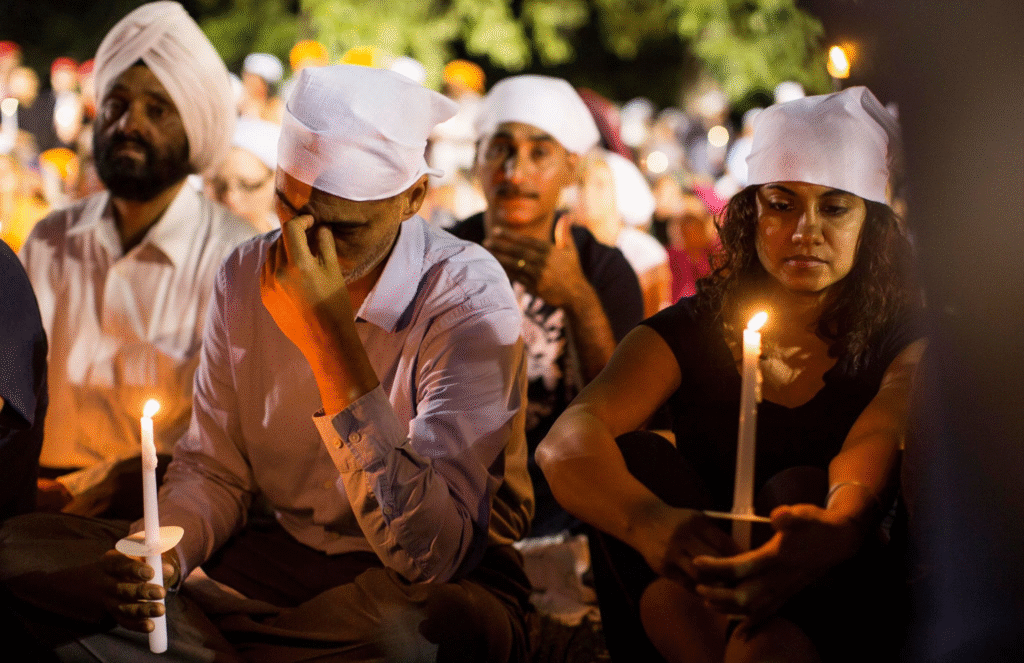
That’s why the lessons of Oak Creek remain urgent today.
If we want to defeat hate, we have to expand the boundaries of our social circles. Get to know your neighbour. Ask them about their culture, their story, their dreams. When we look beyond the surface – be it a turban, hijab, kippah, or skin colour- we discover people who want the same things: dignity, safety, opportunity, and peace.
Let the 13th anniversary of the Oak Creek massacre not be just a moment of mourning, but a call to action. Let it remind us that inclusion doesn’t begin with policy, it begins with proximity. It begins when we choose to see each other as human first.
And let it affirm, once again, that love is stronger than hate.